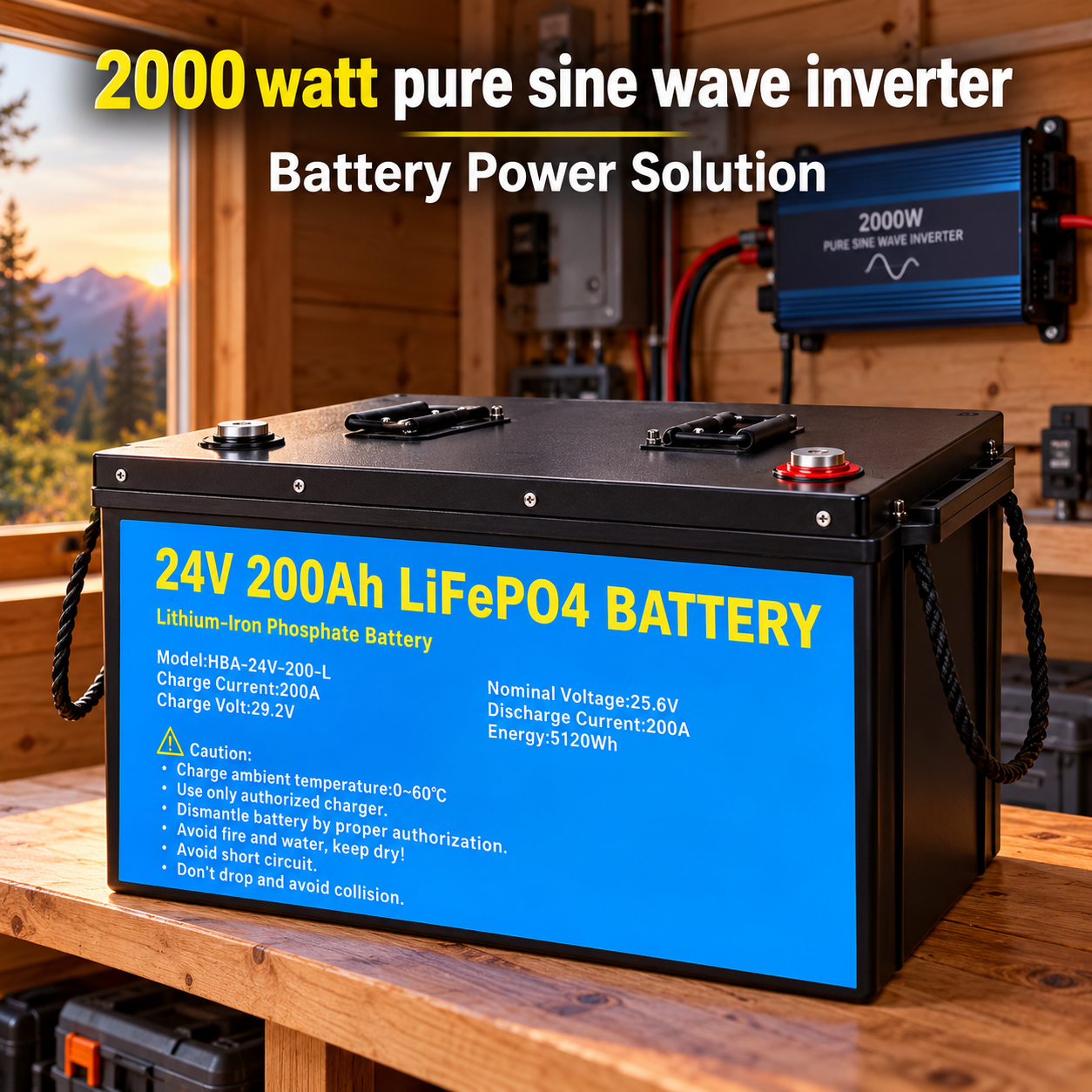
Key Specifications to Consider for 2000 Watt Pure Sine Wave Inverters
When evaluating a 2000 watt pure sine wave inverter, several key specifications should be considered:
Forma Ondae Exitus Pure Sine Wave Output: The inverter should produce a pure sine wave output to ensure compatibility with sensitive electronic devices. This minimizes the risk of damage and ensures optimal performance.
Tensio ingressus Input Voltage: Common input voltages for these inverters are typically 12V, 24V, or 48V DC. The choice depends on the application. For example, 12V systems are common in automotive and RV applications, while 24V or 48V may be preferred for larger solar setups.
Summa potentia peek Peak (Surge) Power Rating: In addition to continuous output, it's important to check the peak (surge) power rating, which indicates the maximum power the inverter can handle for a short duration. This is crucial for starting appliances that require a higher initial power surge.
Index Efficiēntiae : A higher efficiency rating (above 90%) means less energy is lost during the conversion process, leading to better overall performance and reduced operational costs.
Dimensiones et Pondera : Depending on the installation site and application, the inverter's physical size and weight can be a significant factor, especially in mobile applications like RVs and boats.
Machina Refrigerandi : Effective cooling features, such as built-in fans or heat sinks, are essential to prevent overheating, ensuring reliable operation under load.
Praesidia Securitatis : Look for inverters that include protections against over-voltage, over-current, and short-circuits, as these features enhance the safety and longevity of both the inverter and connected devices.
 EN